
Where Compassion Meets Independence
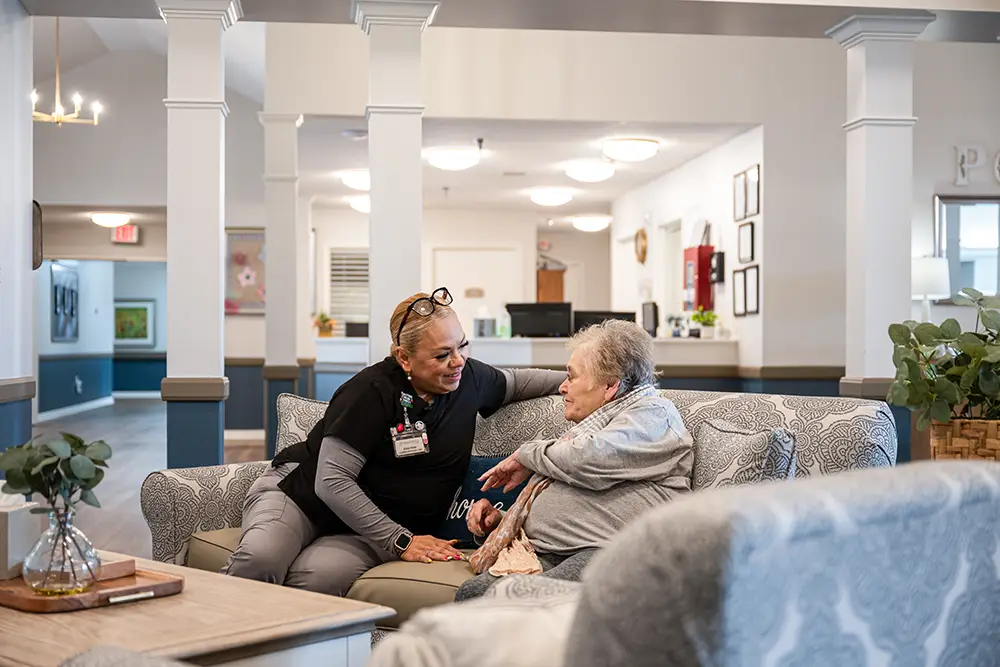
Are you beginning to notice that your parent, spouse, or loved one could use a little more support with daily activities? Maybe they’ve had a few falls, missed medications, or seem less socially engaged than they once were. At Trustwell Living, we know this stage of life can bring both worry and opportunity. That’s why our Assisted Living communities are thoughtfully designed to provide just the right amount of support, while respecting every individual’s independence, dignity, and preferences.
What Is Assisted Living?
Assisted Living at Trustwell means you get to keep living your life your way, with just the right amount of support when you need it. Our “Family Caring for Family” approach means you’re never just a resident – you’re a valued member of our community, always treated with the respect and dignity you deserve.
At Trustwell Living, Assisted Living means:

How to Know if Assisted Living Is the Right Level of Care
Choosing the right type of senior living can feel overwhelming when you’re unfamiliar with what each care level means, especially when your loved one’s needs are changing. Assisted Living is often the ideal option when some support is needed with daily life, but full-time medical care isn’t yet necessary.
Here are 5 signs it might be time for Assisted Living:
- 1Social withdrawal
- 2Unintentional weight loss or poor nutrition
- 3Decline in personal hygiene
- 4Safety concerns at home
- 5Increased forgetfulness or confusion
Here are some key indicators that Assisted Living may be the right fit:
Still unsure? A care assessment by a senior living professional or healthcare provider can help determine the appropriate level of care. We’re here to walk you through that step.
The Trustwell Difference in Assisted Living
We don’t believe in one-size-fits-all care. Our communities are built around a simple philosophy: “Family Caring for Family.” That means we take the time to get to know each resident, including their preferences, routines, health needs, and favorite activities.
Here’s how our approach stands out:
Personalized Support
- Discreet, respectful help with daily activities
- Licensed nurses and caregiving staff available 24/7
- Customized care plans updated regularly
- Medication management by trained professionals
- Emergency call systems in every apartment
Engaging Lifestyle
- Daily events that promote joy, connection, and purpose
- On-site fitness classes, cultural programming, and spiritual services
- Local outings to restaurants, parks, and cultural attractions
- Clubs and interest groups driven by resident pasa
Care plans and services tailored to your unique needs and preferences
Comfortable Living Spaces
- Spacious private or companion apartments with accessible bathrooms
- Cozy, elegant common areas for socializing or relaxing
- Weekly housekeeping, laundry, and transportation included
- Pet-friendly options for furry companions
Thoughtful Transitions
- Warm welcome process with personalized move-in plans
- Family involvement encouraged at every step
- Ongoing communication between staff, residents, and families
- Supportive staff trained in empathy and hospitality
Life at Trustwell: A Day in the Life of an Assisted Living Resident
Each resident’s day is guided by their preferences and filled with meaningful moments. Here’s what a typical day might look like:
The Benefits of Assisted Living vs. Aging in Place
Many families wonder if staying at home with in-home care is the better choice. While it can work well in certain situations, Assisted Living offers a unique blend of independence, safety, and community that’s difficult to replicate at home.
Key Benefits of Assisted Living Versus Staying at Home:
Assisted Living doesn’t mean giving up independence. Instead, it means gaining support, connection, and a vibrant lifestyle.
Why Families Choose Trustwell Living
Choosing the right Assisted Living community is a decision that takes trust, which is at the heart of everything we do.
Families choose us because we offer:
- A strong sense of community and connection
- Long-tenured, experienced caregivers who build real relationships
- Clean, beautifully maintained communities
- A proactive approach to care that grows with your loved one
- Clear communication and peace of mind for families
A Message to Adult Children Caregivers: You’re Not Alone
Making decisions for a parent is rarely simple, and when you’ve been the primary caregiver, the emotional weight can be especially heavy. At Trustwell Living, we speak with adult children every day who are navigating this journey.
Caregiver burnout is real. Long-term stress, lack of sleep, balancing work and caregiving, and managing household responsibilities can take a toll on both your physical and emotional health. When your parent or loved one begins needing more care than you can safely or consistently provide, it takes an act of strength to ask for help.
Assisted Living offers relief, support, and renewed quality time. By transitioning your loved one to a Trustwell Living community, you can shift your role from full-time caregiver back to loving advocate, daughter, son, or partner. We’ll handle the day-to-day care, while you get back to sharing meaningful moments, laughter, and connection.
Your health is equally important. Lookout for these signs that could signify burnout:
- Exhaustion or trouble sleeping
- Increased irritability or sadness
- Withdrawal from friends or social events
- Difficulty focusing or making decisions
- Feeling overwhelmed or hopeless
You’re not alone, and you don’t have to do it all. We’re here to help lift the weight and guide you and your family to a more balanced and supported future.
Understanding Respite Care and Its Importance
At Trustwell Living, we know that care needs can change temporarily, whether due to recovery from an illness, a caregiver’s travel, or simply needing to recharge. That’s where Respite Care comes in.
Respite Care offers short-term stays in our Assisted Living communities, allowing older adults to receive professional support, nutritious meals, and engaging activities for a few days or weeks. It’s an excellent option for families who need temporary relief or want to experience community life before making a long-term move.
Why Tour an Assisted Living Community?
Visiting an Assisted Living community in person is one of the most important steps in finding the right fit. A tour allows you to see how residents live, how the team interacts with them, and whether the culture feels right for your family.
What to Look for and Ask on an Assisted Living Community Tour
Key things to observe on an Assisted Living tour:
- Are residents engaged and socializing?
- Do team members greet residents by name?
- Is the environment clean, safe, and odor-free?
- Are there visible safety features like handrails and emergency systems?
- Do the common areas feel warm, welcoming, and lived-in?
Essential questions to ask:
- What levels of care are offered, and how are care plans created?
- What is included in the monthly fee? What services cost extra?
- How do you handle medical emergencies or changes in health status?
- What training does your care team receive?
- What kind of activities and programs do you offer?
- How do you involve families in the care process?
Pro Tip: If possible, schedule your tour during a meal or activity so you can get a true sense of daily life in the community.