
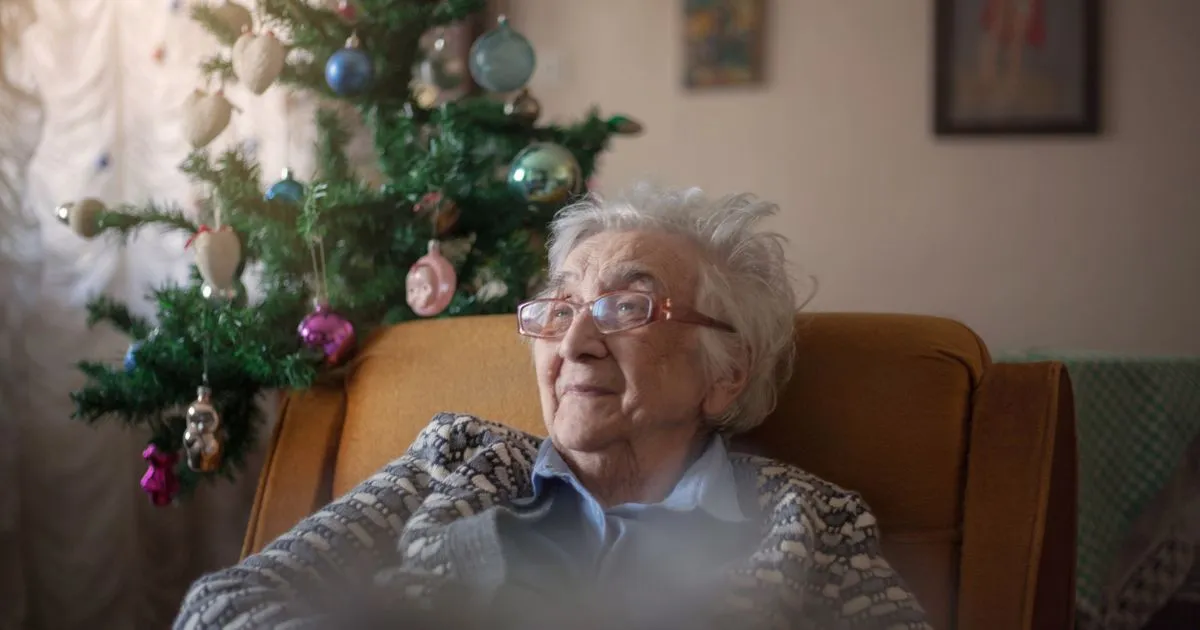
December arrives with its promise of connection, but for many older adults, the reality looks different. The friend who always hosted isn’t doing it this year. That weekly coffee date got harder to reach once the ice set in. The phone rings less often when everyone else is busy with their own celebrations.
Loneliness during the holidays isn’t just an emotional weight, it carries genuine health consequences. Research links persistent loneliness to higher risks of depression, anxiety, heart disease, stroke, dementia, and earlier death. The relationship between isolation and health outcomes mirrors risks we already take seriously, like smoking or obesity. Connection, it turns out, protects health as much as any medication.
Understanding Loneliness vs. Isolation
These terms get used interchangeably, but they mean different things. Loneliness is the subjective feeling of disconnection, like someone attending a crowded party and still feeling alone. Social isolation is the objective reality of having few contacts or interactions. Someone might live solo and feel perfectly content, while another person surrounded by family experiences deep loneliness.
The distinction matters because it shapes what helps. If your loved one feels lonely despite regular visits, he needs different support than someone who’s socially isolated and rarely sees anyone. Understanding how loneliness and social isolation affect cardiovascular health, immune function, and cognitive decline differently helps families target the right interventions.
The Health Impact
Loneliness doesn’t just feel bad, it changes the body. Over time, it heightens sadness and worry, disrupts sleep, and can accelerate cognitive decline. Holiday pressure often amplifies these feelings. Steady, small connections throughout December matter more than one big gathering. Brief, consistent contact reduces depressive symptoms more effectively than sporadic large events.
The physical toll shows up measurably: higher blood pressure, increased inflammation, reduced physical activity. These changes raise the chances of heart attack and stroke. Daily structure, movement, and shared meals help restore healthier rhythms, as do concrete steps like identifying risk factors early and connecting seniors with local programs and reliable transportation.
When someone feels isolated, the basics slip. Appointments get skipped, meals become an afterthought, chronic pain feels more intense. A walking group, choir practice, or weekly card game can restore both routine and energy.
Why December Makes It Worse
The season carries its own triggers. Expectations run high for perfect gatherings. Anniversaries of loss feel sharper in December. Travel costs strain budgets. Icy sidewalks keep people inside. Media images of joyful families everywhere can intensify the comparison for those spending the season alone. Recent widows, people who’ve relocated, and those who’ve lost mobility often feel these pressures most acutely.
Being alone isn’t the same as being lonely. Someone might choose a quiet holiday and feel at peace with that decision. Loneliness, though, can persist even in a crowded room. Understand individual preferences, then offer options that match actual energy and interest, it could be a short drive to see lights, an hour at a candlelight service, or cocoa and cookies at home.
Holiday visits also provide natural opportunities to notice safety concerns. If something seems off, like signs of neglect, financial exploitation, or mistreatment, it’s important to speak up quickly and involve trusted professionals.
Recognizing The Signs
Some warning signals and immediate responses:
- Withdrawn mood or flat affect: Suggest a short walk together, then schedule the next call before hanging up
- Missed medications or unopened mail: Help set up a simple calendar system or weekly pillbox routine
- Bare pantry or skipped meals: Plan two shared meals this week, ask about favorite dishes
- “I don’t want to be a burden” language: Reassure directly, then propose a specific plan rather than vague promises
- Frequent last-minute cancellations: Suggest smaller gatherings and arrange transportation early
Find Those Moments of Connection
Four concrete steps for this week:
- Call daily for just ten minutes. Put it on the calendar like any other commitment.
- Add two specific dates like a library talk, neighborhood cookie swap, or lights tour with transportation confirmed.
- Pair quality time with purpose by writing holiday cards together, making soup, folding laundry while you talk.
- Simplify technology such as video calls with large buttons and captions enabled.
If you’re managing care through the holidays, start by planning gatherings that match actual energy levels rather than idealized ones. The entire season shouldn’t fall on one person, so identify one or two people who can share check-in responsibilities and arrange transportation before the first ice storm hits. These practical logistics matter as much as good intentions
Holiday visits also offer natural opportunities to ask gentle questions about comfort, money worries, and whether anyone has been treating them poorly. If something feels off, write it down, set a specific follow-up date, and reach out to local resources rather than waiting to see if it resolves on its own. Problems caught early stay smaller.
How Senior Living Communities Help
Community settings create natural opportunities for connection that accumulate over time. When someone joins a music circle on Tuesday, shares a meal with familiar faces on Wednesday, and catches a ride to the library on Thursday, isolation doesn’t have room to take hold. Faith services, craft groups, and daily programs happen at a comfortable pace, with no pressure to attend everything, just options that match residents’ interest and energy.
As the holidays highlight just how deeply connection impacts well-being, the signs of loneliness like withdrawal, skipped meals, missed routines, or quiet statements of “not wanting to be a burden”, remind us how much steady support truly matters.
Consistent, meaningful interactions protect both emotional and physical health, and how simple routines like shared meals, reliable transportation, and gentle daily structure restore confidence and ease. Senior living communities, especially those within the Trustwell Living family, help meet these needs in a natural, compassionate way. Here, residents enjoy warm conversations, engaging programs, faith opportunities, and supportive team members who notice when someone needs a little extra care. Neighbors become friends, winter weather becomes less limiting, and families gain peace of mind knowing their loved one is surrounded by people who embody our promise of Family Caring for Family, creating a season, and a life, where connection can truly flourish.
About Trustwell Living
Trustwell Living combines comfortable environments with professional caregiving so every resident feels known by name. We focus on home-style dining, purposeful activities, and transportation that keeps calendars full and spirits steady.
Ready to talk? Contact Trustwell Living today to discuss your needs and timeline, tour a community to see daily programming and dining options, and learn how we help residents stay connected year-round.
Disclaimer: This article is for informational purposes only and does not constitute medical, legal, or financial advice. It’s recommended to consult with a medical, legal, or financial professional for your specific circumstances.